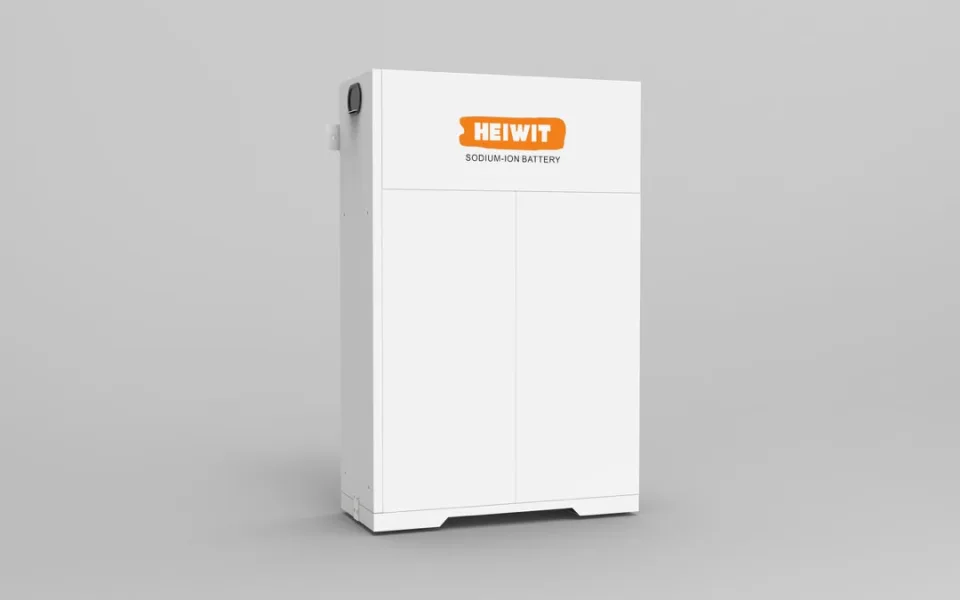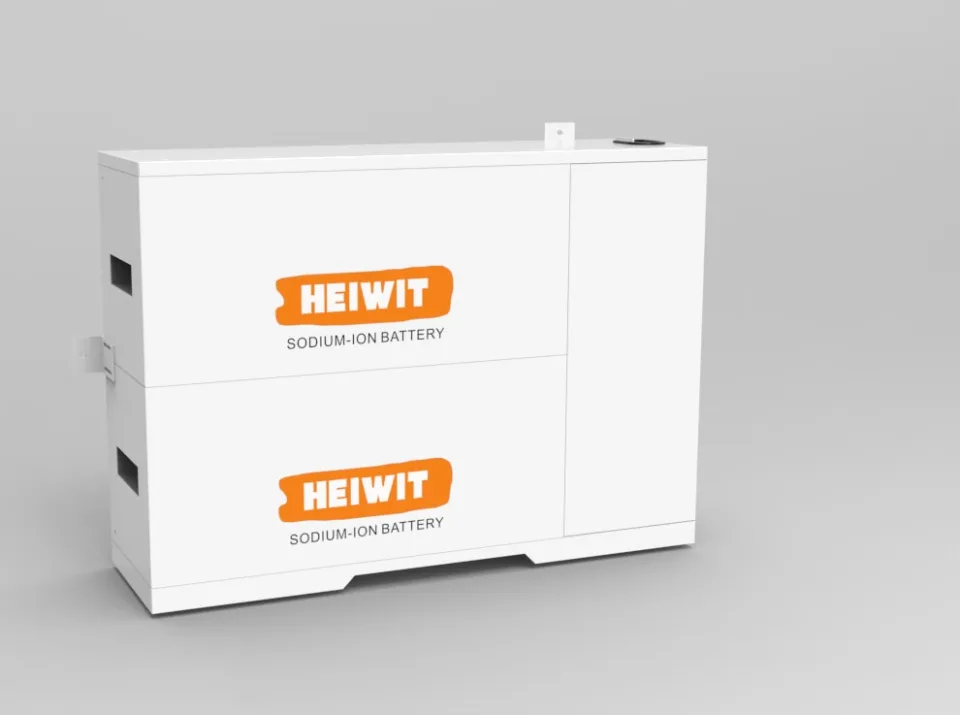
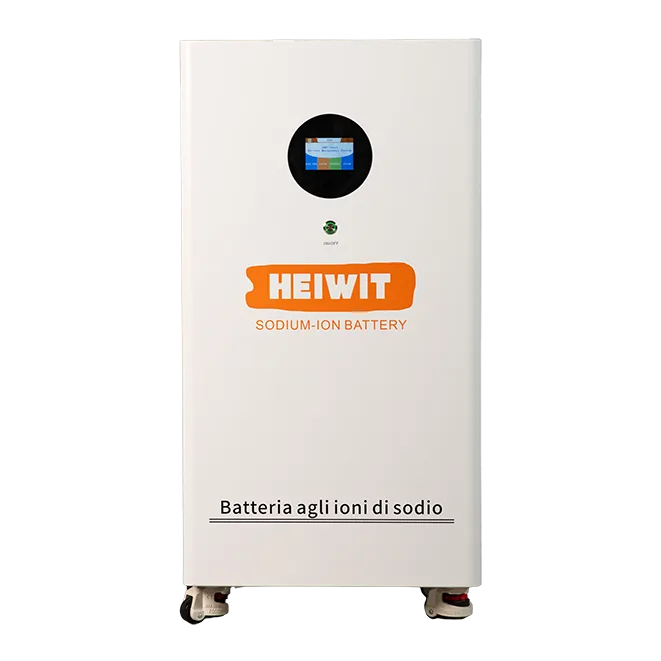
Heiwit sodium-ion battery 10 kWh
- 10 kWh
- 48 V
- Up to 3 in parallel
Available
CHF 3’896.–
Details and documents
HEIWIT · SWISS IMPORTER
Heiwit 48 V batteries with no lithium or cobalt, and VIRGO and LYBRA hybrid inverters. Prices in CHF including Swiss VAT, delivery in Switzerland, bank transfer only after the order is confirmed.
THE SYSTEM
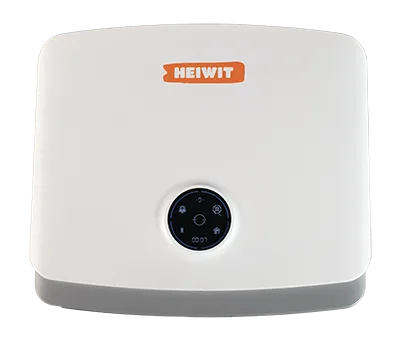
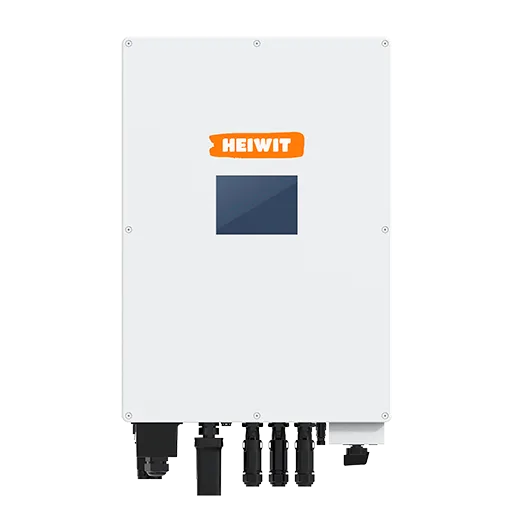
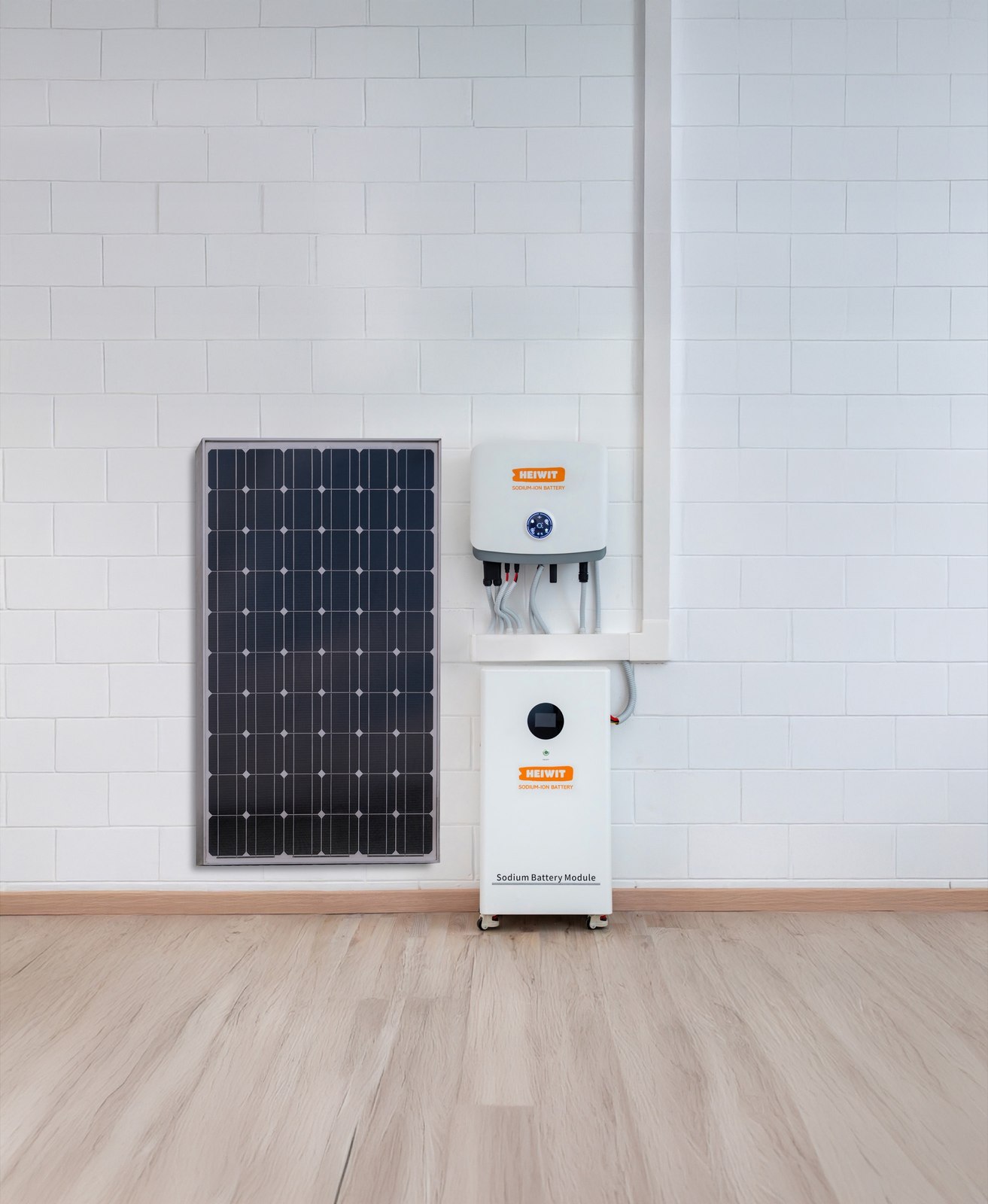
The HEIWIT-NA-48V210Ah battery works with the VIRGO (single-phase) and LYBRA (three-phase) hybrid inverters. Backup switchboards, meters and communication accessories complete the installation.
Safety depends on the complete system: cells, BMS, inverter and a professional indoor installation.
SODIUM-ION TECHNOLOGY
The values refer to the HEIWIT-NA-48V210Ah battery and come from the Heiwit datasheet. Full datasheets, manuals and certificates are on the product pages.
Sodium-ion chemistry is thermally more stable than many lithium chemistries. In abuse tests (mechanical damage, short circuit) the cells did not go into thermal runaway. The risk is lower, not zero.
The cells use sodium, an abundant element. At end of life the battery must be returned to an authorised collection point.
Discharge from −25 °C to +60 °C, charge from 0 °C to +60 °C. Indoor installation only (IP20).
Recommended depth of discharge of 90%: of 10 kWh nominal capacity, 9 kWh are usable every day. Efficiency above 95%.
More than 6500 cycles in the laboratory endurance test, at 90% discharge with remaining capacity above 70%. This is a test result, not a guarantee.
10 years or an energy throughput limit, whichever is reached first, under the Heiwit warranty conditions.
From early 2027: the HEIWIT-NA-48V170Ah 7.78 kWh battery with NFPP polyanionic cells, up to 6 in parallel. Expected cycle life of 9000 cycles at 95% DoD with 70% remaining capacity, based on cell qualification tests.
ORDERING AND DELIVERY
How buying on SodiumStorage.ch works.
Prices in CHF including 8.1% Swiss VAT.
We check availability and delivery date, then send you the pro forma invoice with the bank details.
No online payment: you transfer the amount only after the order is confirmed.
Installation must be carried out by a qualified professional. Grid connection must be agreed with the local network operator: the Italian CEI 0-21 certifications do not replace Swiss requirements.
Questions about your installation? Write to us: contact form
CATALOGUE
Available
Availability to be confirmed
Availability to be confirmed
Available
FREQUENTLY ASKED QUESTIONS
A sodium-ion battery stores electricity on the same principle as a lithium-ion battery, but the charge is carried by sodium ions. Sodium can be obtained from common salt, for example, and is abundant worldwide. The Heiwit HEIWIT-NA-48V210Ah battery stores 10 kWh at 48 V and contains no lithium or cobalt. More in the guide Sodium or lithium?
One HEIWIT-NA-48V210Ah module with 10 kWh costs CHF 3’896.– including 8.1% Swiss VAT, about CHF 390.– per kWh of nominal capacity or CHF 433.– per usable kWh (9 kWh at 90% depth of discharge). Three modules with 30 kWh cost CHF 11’688.–. A hybrid inverter (VIRGO from CHF 1’055.–, LYBRA from CHF 1’988.–), accessories, shipping and installation come on top. For comparison: according to Swissolar, an installed 15 kWh home battery cost about CHF 8’850.– on average in Switzerland in 2025.
Swissolar recommends two rules of thumb and taking the smaller value: one thousandth of the annual PV production or one thousandth of the annual consumption, with at most about 1.5 kWh of usable capacity per kW of PV power. A house with a heat pump, 9,000 kWh consumption and 12 kWp of PV thus needs about 9 kWh: one 10 kWh module (9 kWh usable). Worked examples in the guide Battery sizing.
There is no federal subsidy for batteries in residential buildings; Pronovo's one-off remuneration covers the PV system, not the battery. Some cantons support storage, such as Schaffhausen and Thurgau since January 2026 with a one-off CHF 1’000.– for batteries of 10 kWh or more (at most a quarter of the investment), plus Neuchâtel. Municipalities pay grants too, for example the City of Zurich since August 2026: CHF 1’000.– plus CHF 100.– per kWh (with a PV system and energy management). All programmes by postcode are listed on energiefranken.ch.
GUIDES
Technology, sizing, regulations and costs of a home battery in Switzerland, with figures and sources.